


How to Cultivate Daily Dance Practice and Build Strength at Home
- Apr 3
- 3 min read
Dancing is a skill that grows through consistent practice. Many dancers struggle to find motivation to practice at home, especially without the structure of a class or studio. Yet, the key to improvement lies not in waiting for motivation but in building a habit of daily dedication. You learn to dance by dancing. The more you move, the stronger and more flexible you become. This post will guide you through practical steps to create a daily dance practice at home, build strength, and improve mobility and flexibility.
Make Time to Dance Every Day
The first step to building a daily dance practice is to commit to making time for it. This means scheduling dance sessions just like any other important activity. Even 15 to 30 minutes daily can lead to significant progress over weeks and months.
Choose a consistent time of day that fits your routine, such as morning, lunch break, or evening.
Set reminders on your phone or calendar to keep you accountable.
Treat your dance time as a non-negotiable appointment with yourself.
By dedicating time every day, you shift dance practice from something you do when motivated to a habit that becomes part of your lifestyle.
Create a Space to Dance and Stretch
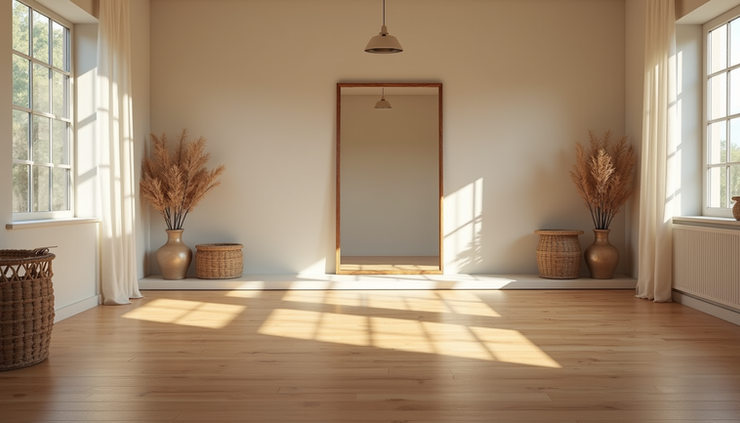
Having a designated area for dance practice helps you get into the right mindset and removes barriers to starting. You don’t need a large studio—just a clear, safe space where you can move freely.
Clear a corner of a room or use a spare room with enough floor space.
Use a mirror if possible to check your form and technique.
Keep a yoga mat or soft flooring for stretching and floor work.
Add a speaker or headphones for music to keep you energized.
A dedicated space signals your brain that it’s time to focus on dance, making it easier to start and maintain your practice.
Focus on Repetition to Build Skill
Repetition is the mother of study. The more you repeat movements, the better your muscle memory and coordination become. Instead of waiting for inspiration, focus on practicing specific steps or sequences regularly.
Break down complex moves into smaller parts and repeat them slowly.
Use a metronome or music with a steady beat to keep timing consistent.
Record yourself occasionally to track progress and identify areas for improvement.
Consistent repetition builds confidence and skill, turning challenging moves into second nature.
Build Strength Through Targeted Exercises
Strength is essential for control, balance, and injury prevention in dance. Incorporate exercises that target key muscle groups used in your style of dance.
Include bodyweight exercises like squats, lunges, planks, and calf raises.
Use resistance bands or light weights to add challenge.
Focus on core strength to support posture and stability.
Aim for 2-3 strength sessions per week alongside your dance practice.
Stronger muscles allow you to execute movements with more power and precision.
Work on Mobility and Flexibility Daily
Mobility and flexibility improve your range of motion and reduce the risk of injury. Stretching and mobility work should be part of your daily routine.
Start with dynamic stretches before dancing to warm up muscles.
End with static stretches to lengthen muscles and improve flexibility.
Include joint mobility exercises for ankles, hips, and shoulders.
Use foam rollers or massage tools to release muscle tension.
Even 10 minutes of focused stretching can make a noticeable difference over time.
Use Music to Stay Engaged
Music is a powerful motivator and helps you stay connected to your practice. Choose songs that inspire you and match the tempo of your dance style.
Create playlists for different moods or practice goals.
Experiment with different genres to keep sessions fresh.
Use music to practice timing, rhythm, and expression.
Music turns practice into an enjoyable experience rather than a chore.
Track Your Progress and Set Goals
Keeping track of your practice helps maintain motivation and shows how far you’ve come.
Use a journal or app to log practice time and focus areas.
Set short-term goals like mastering a step or increasing flexibility.
Celebrate small wins to stay encouraged.
Tracking progress makes your practice purposeful and rewarding.
Overcome Common Barriers to Home Practice
Many dancers face obstacles when practicing at home. Here are ways to address common challenges:
Lack of motivation: Focus on discipline and routine rather than waiting to feel motivated.
Distractions: Choose a quiet time and space, turn off notifications.
Limited space: Adapt movements to fit your area or focus on floor work and stretching.
Feeling isolated: Join online dance communities or take virtual classes for support.
By anticipating and addressing these barriers, you can maintain a consistent practice.
Comments